
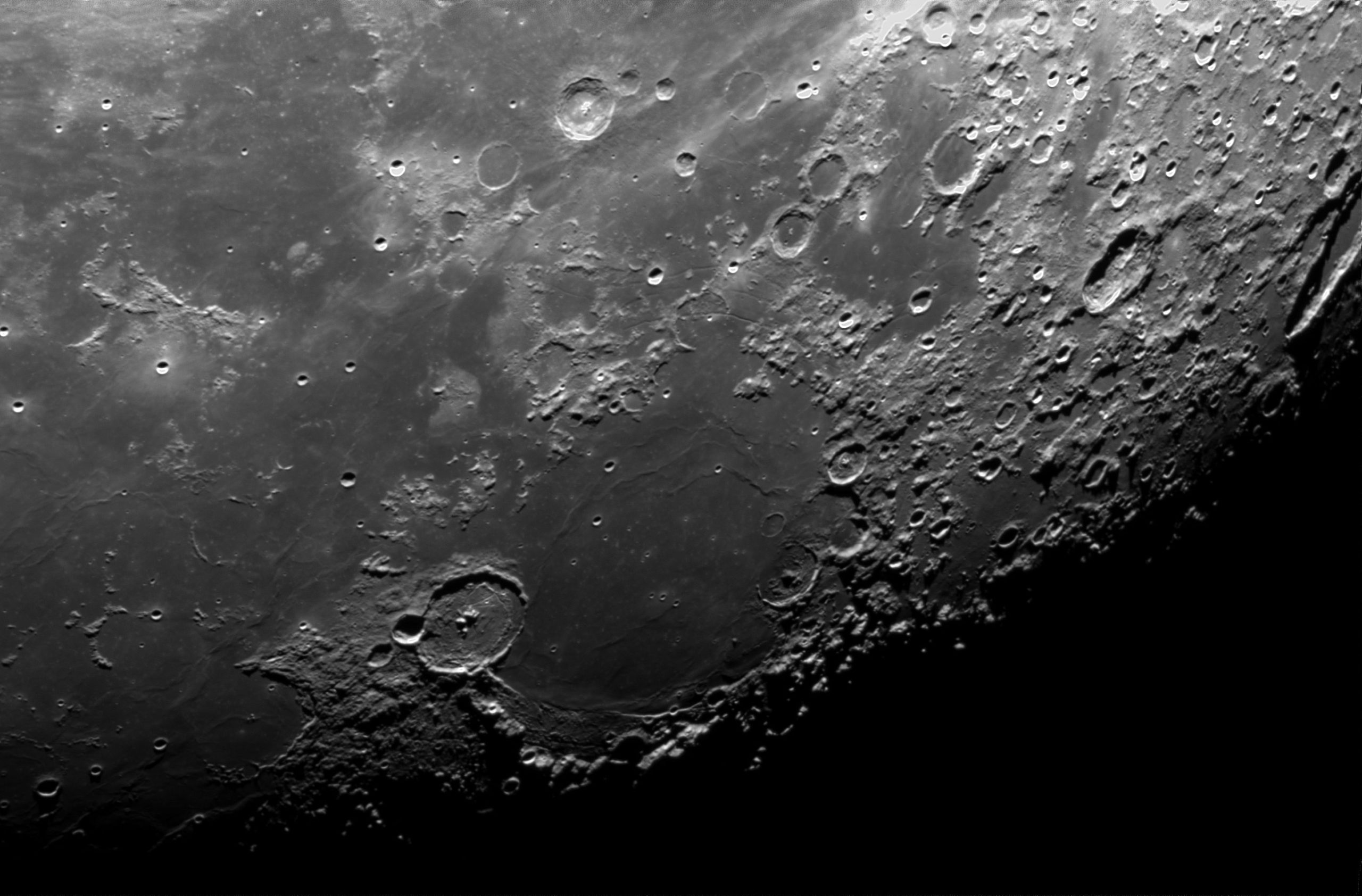
Lunar Pictures from January 2020
A few pictures of the moon that I took with my Meade 14 ACF SCT scope with a ASI 174MM camera in January 2020. The pictures utilised no filters at all.


The Meade 14" is an astounding scope that I liked very much. However, with a heavy heart I subsequently went on to sell this telescope since I felt that in my Bortle 5skies it doesn't offer any significant advantage over and above the Celestron C925; the latter scope being very much more manageable that the huge (and very heavy) 14" Meade. At some point in the future I may regret this decision since the scope excelled on the few occasions I took it to truly dark skies. However, I could not let my heart rule my head and I decided to sell it.

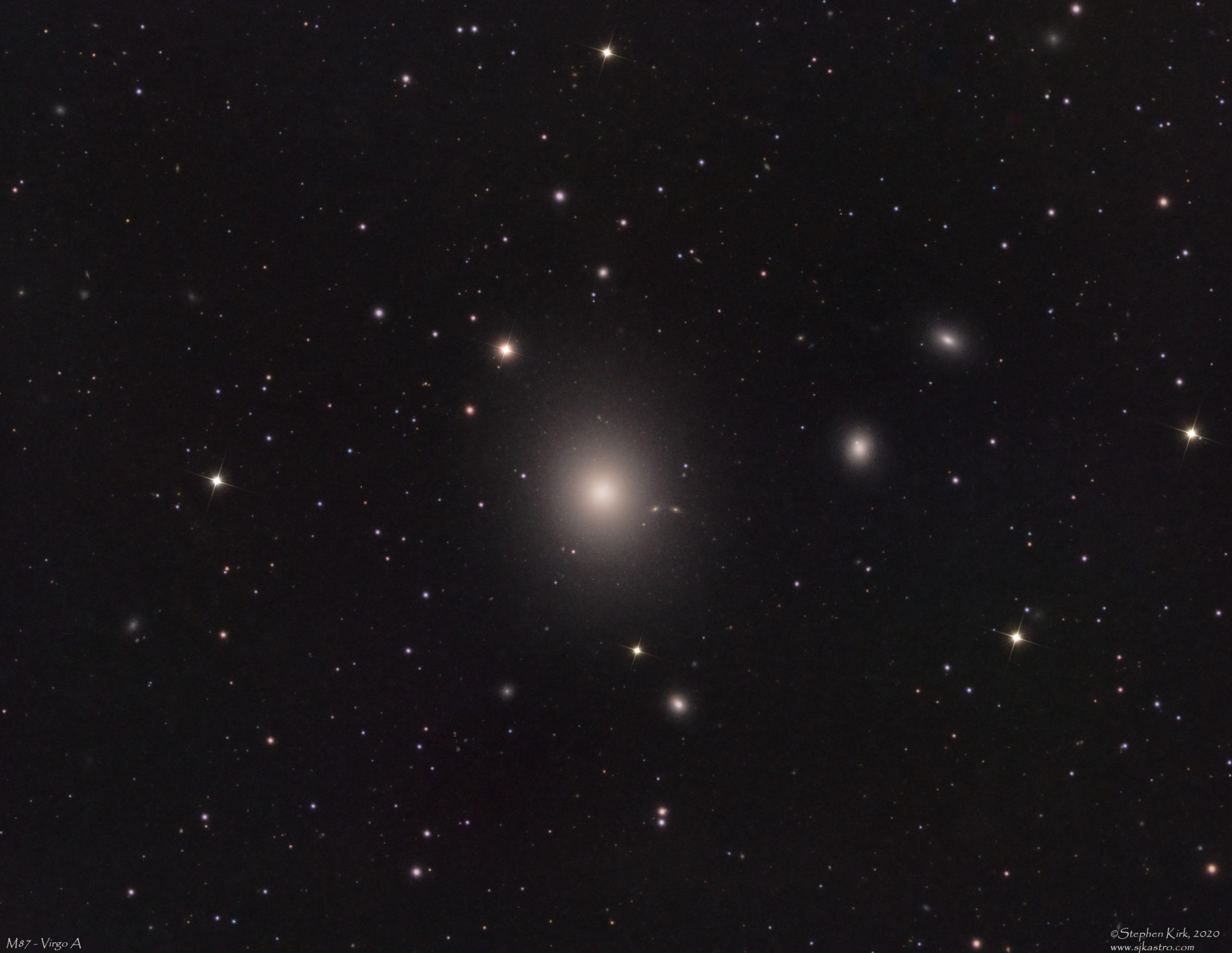
M87, The Giant Elliptical Galaxy in Virgo TEC 140

M87 is a supergiant elliptical galaxy at the heart of the Virgo cluster of galaxies and is visible in many pictures of the famous Markarian's Chain. It is about 65 million light years away and, after the Sun, is the brightest source of radio waves in the sky - at that vast distance! The galaxy is one of the most massive in the local universe at two hundred times the mass of our own Milky Way galaxy. M87 harbours one of the most massive Black holes in the Universe at 8 billion solar masses. The galaxy is surrounded by a swarm of globular clusters, about 12000 of them, compared to only 200 from our galaxy.
The galaxy is so large that from The Earth the extended galaxy is almost the size of the full moon.
Image Technical Data
Imaged from by back yard in Nottingham, UK with my TEC 140 refractor and Atik 460 CCD camera with Astrodon E series LRGB filters on my MESU mount. Data acquired April 2020 (middle of the Coronavirus lockdown in the UK) and is comprised of the following data - everything binned 1x1.
Lum > 12 x 600s ; Red > 12 x 300s ; Green 12 x 300s ; Blue 12 x 300s
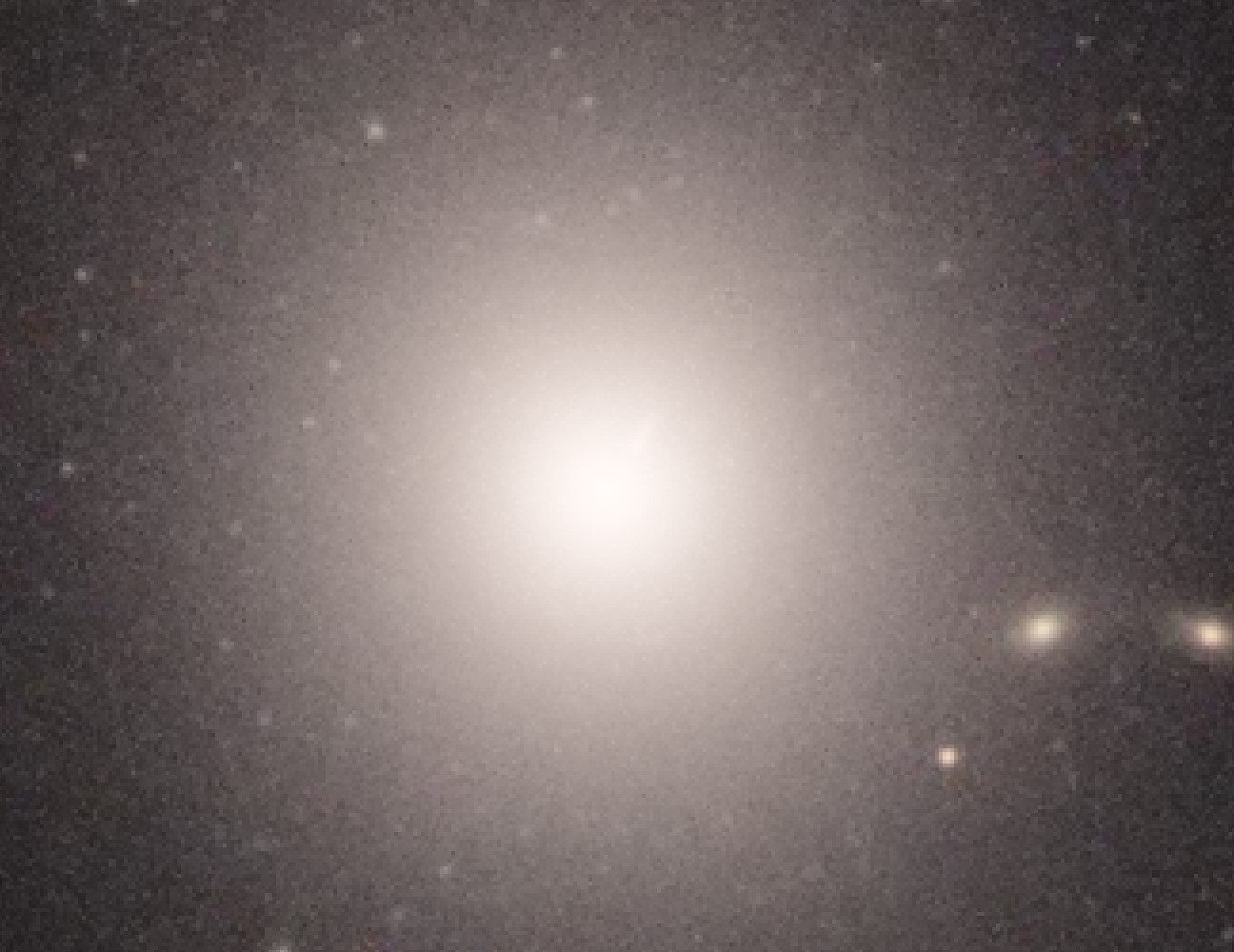
The closeup above shows the famous "jet" emanating from the central black hole (at "one o'clock" in this photo) in the core of the galaxy and the latest theories suggest this is radiation being emitted from the poles of the black hole at almost the speed of light.
Also can be seen in this picture some of the many globular clusters that orbit M87. Some of M87's globular clusters are hugely larger than the Milky Way's and are giant enough to be seen from 65 million light-years away. M87, in growing to be such a huge galaxy, is though to have consumed many other galaxies during its history and is thought to have robbed the globular clusters of the now dead galaxies.

M87, The Giant Elliptical Galaxy in Virgo TEC 140
M87 is a supergiant elliptical galaxy at the heart of the Virgo cluster of galaxies and is visible in many pictures of the famous Markarian's Chain. It is about 65 million light years away and, after the Sun, is the brightest source of radio waves in the sky - at that vast distance! The galaxy is one of the most massive in the local universe at two hundred times the mass of our own Milky Way galaxy. M87 harbours one of the most massive Black holes in the Universe at 8 billion solar masses. The galaxy is surrounded by a swarm of globular clusters, about 12000 of them, compared to only 200 from our galaxy.
The galaxy is so large that from The Earth the extended galaxy is almost the size of the full moon.
Image Technical Data
Imaged from by back yard in Nottingham, UK with my TEC 140 refractor and Atik 460 CCD camera with Astrodon E series LRGB filters on my MESU mount. Data acquired April 2020 (middle of the Coronavirus lockdown in the UK) and is comprised of the following data - everything binned 1x1.
Lum > 12 x 600s ; Red > 12 x 300s ; Green 12 x 300s ; Blue 12 x 300s
The closeup above shows the famous "jet" emanating from the central black hole (at "one o'clock" in this photo) in the core of the galaxy and the latest theories suggest this is radiation being emitted from the poles of the black hole at almost the speed of light.
Also can be seen in this picture some of the many globular clusters that orbit M87. Some of M87's globular clusters are hugely larger than the Milky Way's and are giant enough to be seen from 65 million light-years away. M87, in growing to be such a huge galaxy, is though to have consumed many other galaxies during its history and is thought to have robbed the globular clusters of the now dead galaxies.
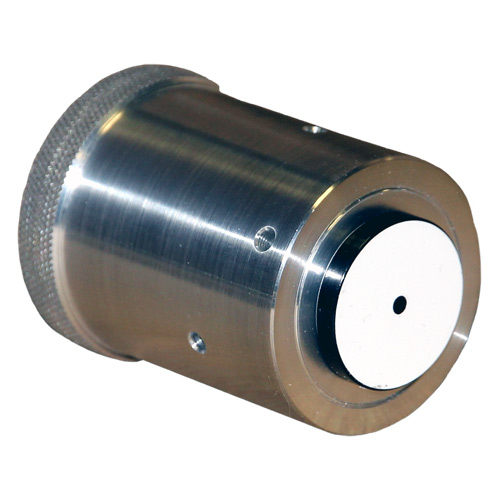
Howie Glatter Laser Collimator
In order to get the best from your observing and imaging sessions, your reflecting telescope needs to be properly collimated. In other words, the optical axis of the telescope must be optimised to reflect the light optimally. Newtonian and Ritchey- Chretien design scopes do not deliver a crisp and sharp image unless they are properly collimated. A laser collimator is a device that can aid in getting the telescope properly collimated.
I want to emphasise that I am not in any way paid in money or kind to write these words. I do this for the love of it and to help others and I have no connection whatsoever to the maker of these collimators.
Sadly, Howie Glatter himself passed away in 2016. He was a very kind man and was incredibly friendly, knowledgable and approachable. There was almost nothing he didn't know regarding the subject of collimation of telescopes! His company was taken over by Starlight Instruments. My review in the video below was made in 2013 and my example was made by the late Howie himself. However, the pedigree of Starlight Instruments, famous because of their focusers, would imply that the exactitude of Howie's methods are continued.
Rather than me type a novel here, please review the video. I think you will see that I am most impressed with my example!
Clear skies and happy collimating! :)
https://www.youtube.com/watch?v=I4YPT1aRf2U
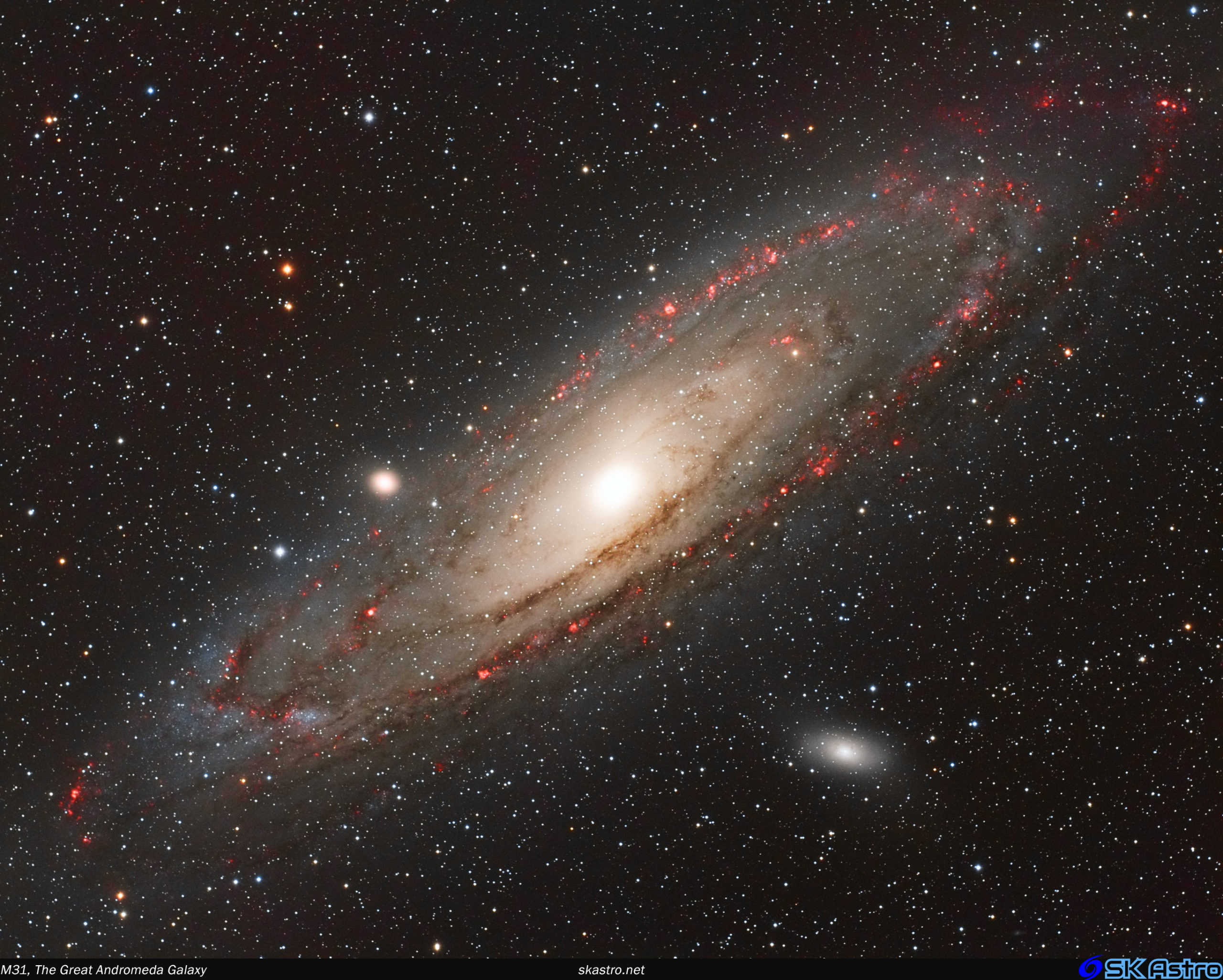
M31 - The Great Galaxy in Andromeda
Known since ancient times as a nebulous blob in the autumn and winter sky, M31 was the first galaxy to be recognised as a completely independent "island universe", wholly separate from our own Milky Way galaxy. This nature of M31 was only discovered in 1924.
M31 is slightly larger than our own galaxy and is located about 2.2million light years away.

The abovr image is comprised of a series of 600s exposures taken during 2017 and 2018 and is approximately ten hours worth of data through Baader LRGB and Ha (7nm) filters with a Takahashi FSQ85 telescope at native focal length and with G2-8300 camera.


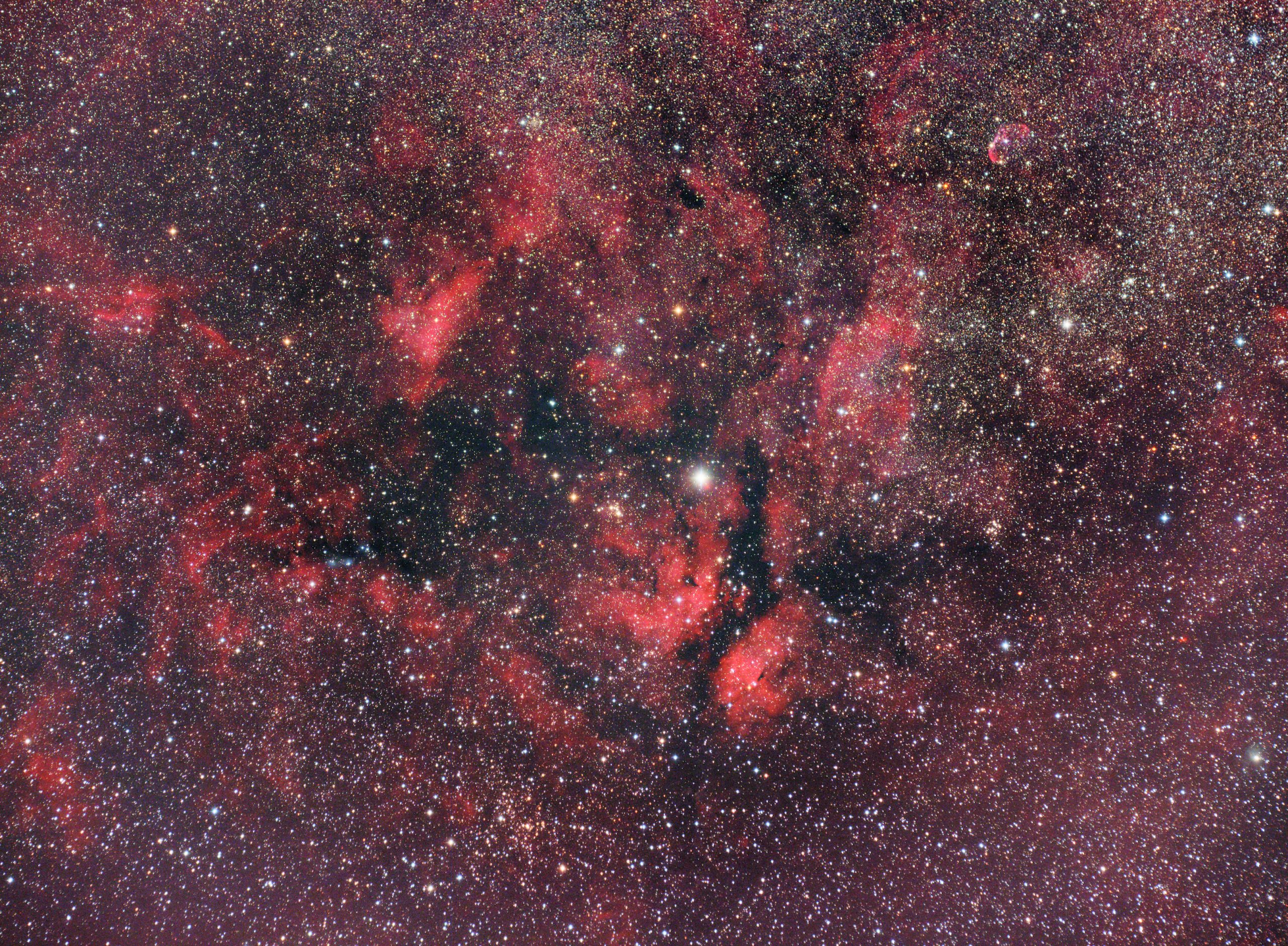
SADR Region of Cygnus
SADR is the central star of the Cross of Cygnus, between the arms of the cross. The constellation of Cygnus is supposed to represent a swan but to most people looks much more like a cross and consequently is often called The Northern Cross. The whole area abounds in nebulosity that is very easy to capture with a camera.
This image is taken with a Samyang 135mm DSLR lens and subtends a field of view of about 8 x 6 degrees across the sky and so the long axis of this image is about sixteen moon widths wide. This is a very large area of sky to capture in one image. It is was made from 12 x 3 minutes exposures in each of the Red, Green and Blue and also a luminance of 24 x 3 minute Hydrogen Alpha 3nm exposures to give a total integration (exposure) time of about three hours. The camera I used is the Moravian Instruments G2-8300 loaded with 31mm Astrodon LRGBHa3nm filters.
I captured it in my back yard on 26th April 2019 with my wide-area autofocus rig mounted atop a NEQ6 mount. The data was captured with SGP and processed with PixInsight and Photoshop.
I hope you like it! :)

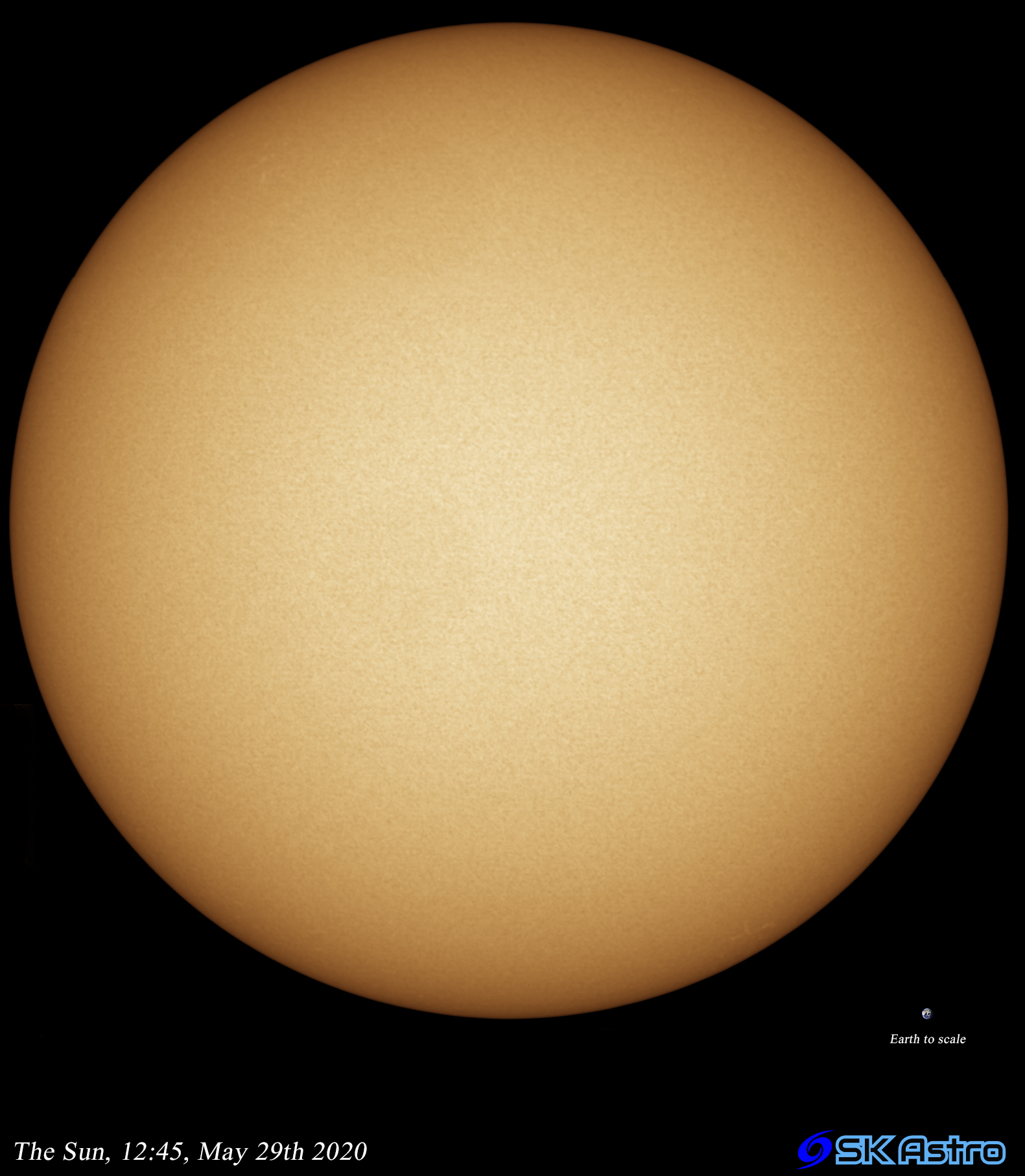
Sun 29th May 2020
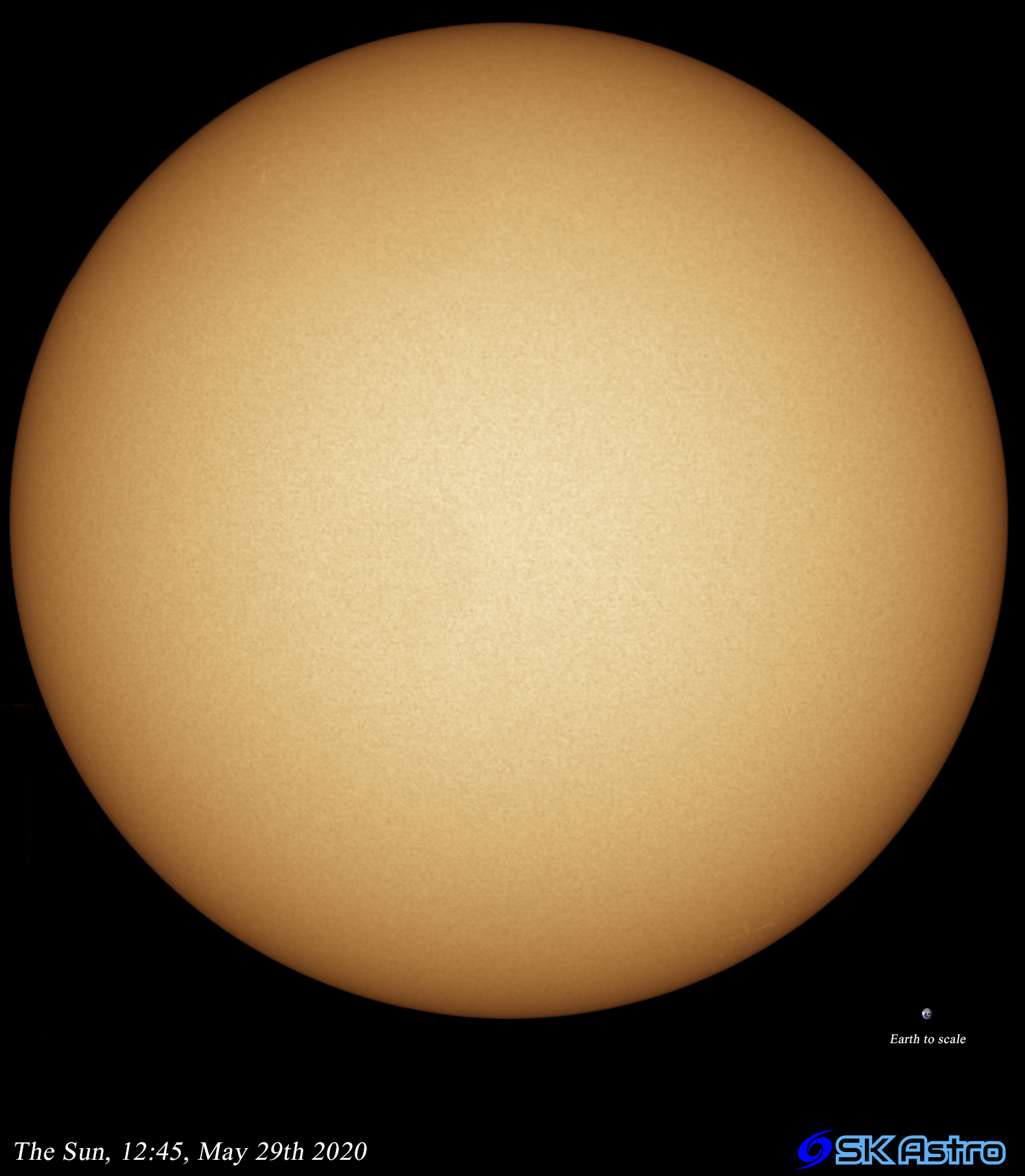
TEC140 refractor, Baader Herschel Wedge, ASI 174MM camera. Captured with Firecapture, Stacked with AutoStakkert, developed with PixInsight and Photoshop.
Cassiopeia
Share on facebook
Facebook
Share on twitter
Twitter
Share on pinterest
Pinterest
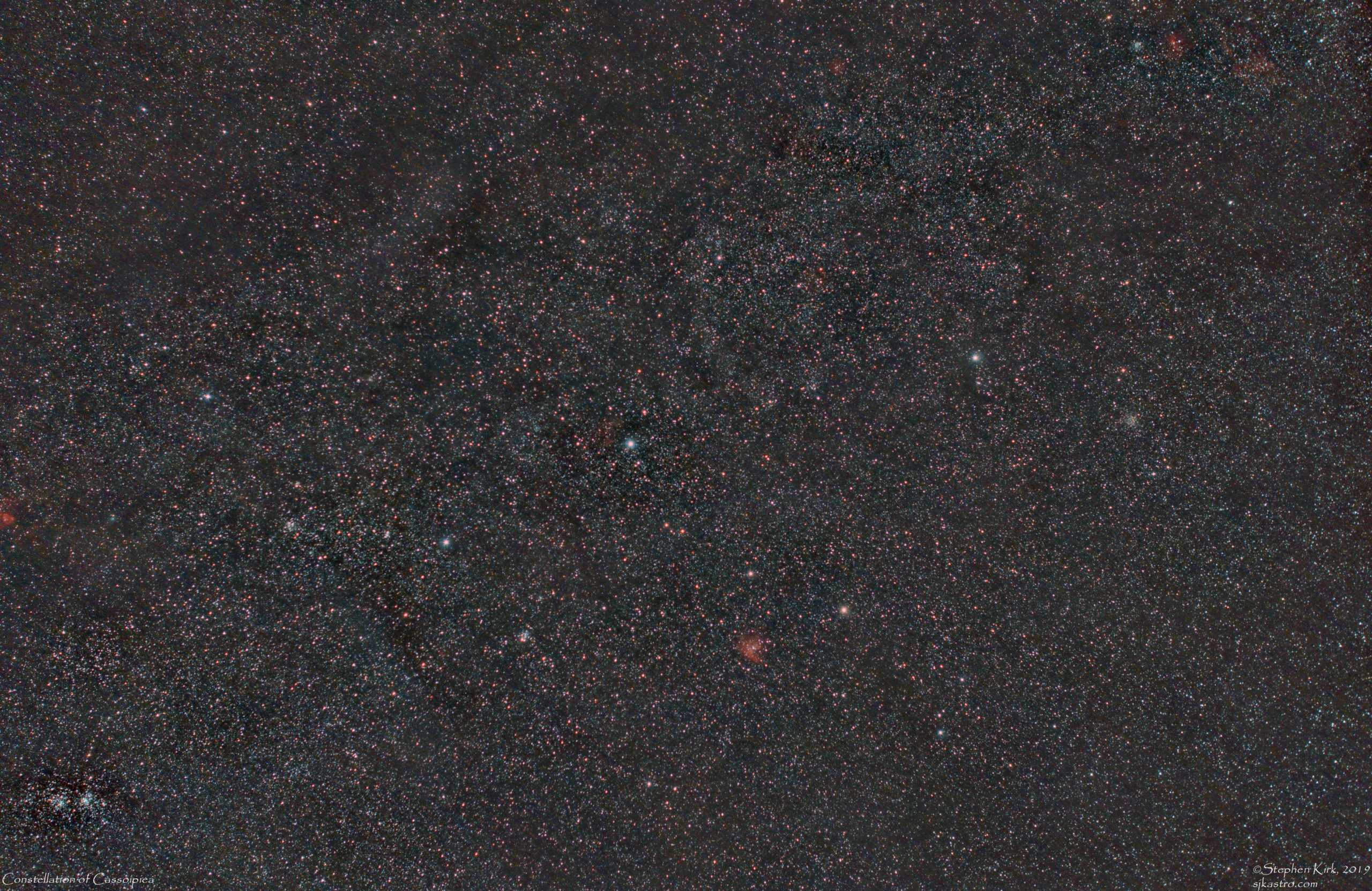
A far Northern constellation - circumpolar from my location in Nottingham - Cassiopeia lies in the middle of numerous star fields and nebulae fields, looking out from the core of the galaxy. The famous "W" shape is very recognisable and one of the first constellation that beginners to astronomy learn. It is rich in interesting nebulae, star clusters and other objects.

Image above was taken at the beginning of March 2020 when Cassiopeia was setting towards the North West. Conditions were not very good with the seeing and transparency being quite poor. Nevertheless, I managed to grab 45 x 60s exposures at ISO 800 and F4 with Canon 1100D and 50mm lens. Quite a quick and dirty picture and more exposure time would reveal much finer detail and nebulae details.Even in this image, you can see the huge number of objects withing the constellation, especially nebulae in the Sharpless Catalogue (Sh2).
Below is an annotated version of the above picture, showing some of the interesting objects and also an inverted view.


Auriga - The Charioteer
Auriga -
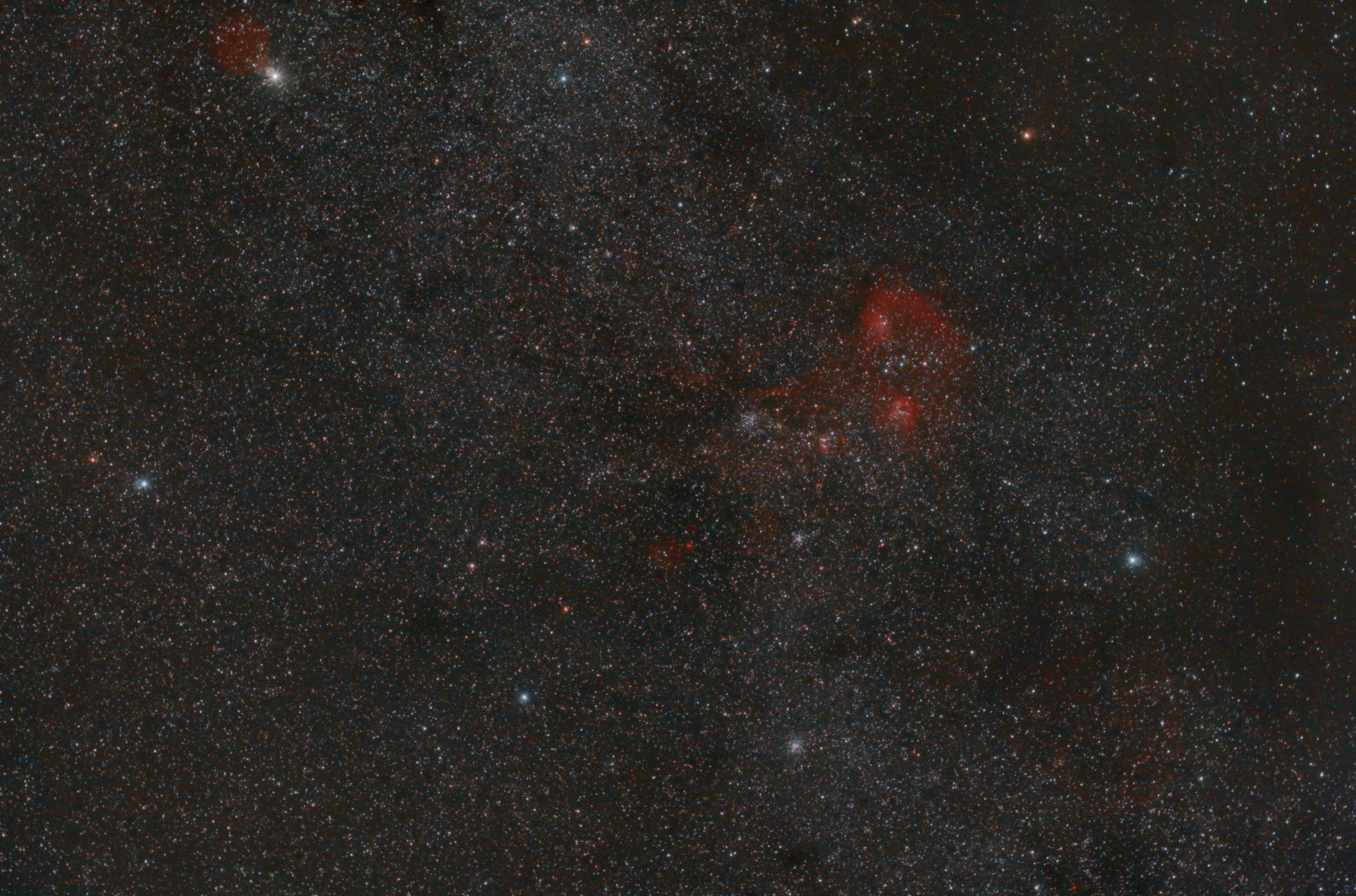
A famous constellation in the winter Northern Hemisphere sky, Auriga contains many very interesting objects and nebulae. Arguably the most important of these objects are the famous Open Clusters M36, M37 and M38, all of which I have imaged individually.
This image was taken in January 2020 from my backyard in Nottingham, UK on my modified (i.e. with the IR filter removed) Canon DSLR 1100D and a Canon 50mm lens. It is composed of 80 x 90s exposures at ISO 800 at F4, mounted on a Skywatcher Star Adventurer sky tracker mount. Astrophotography does not have to be expensive and you can achieve great things with a DSLR and a tracking mount!

Below, to the left, is an annotated version of the above picture and it shows many of the interesting objects present within the constellation of Auriga. You can see the many Sharpless catalog (Sh2) objects as well as the more famous Messier open clusters. To the right is a high contrast inverted view of the image.
I hope you like this page and found it useful.


Orion
Orion
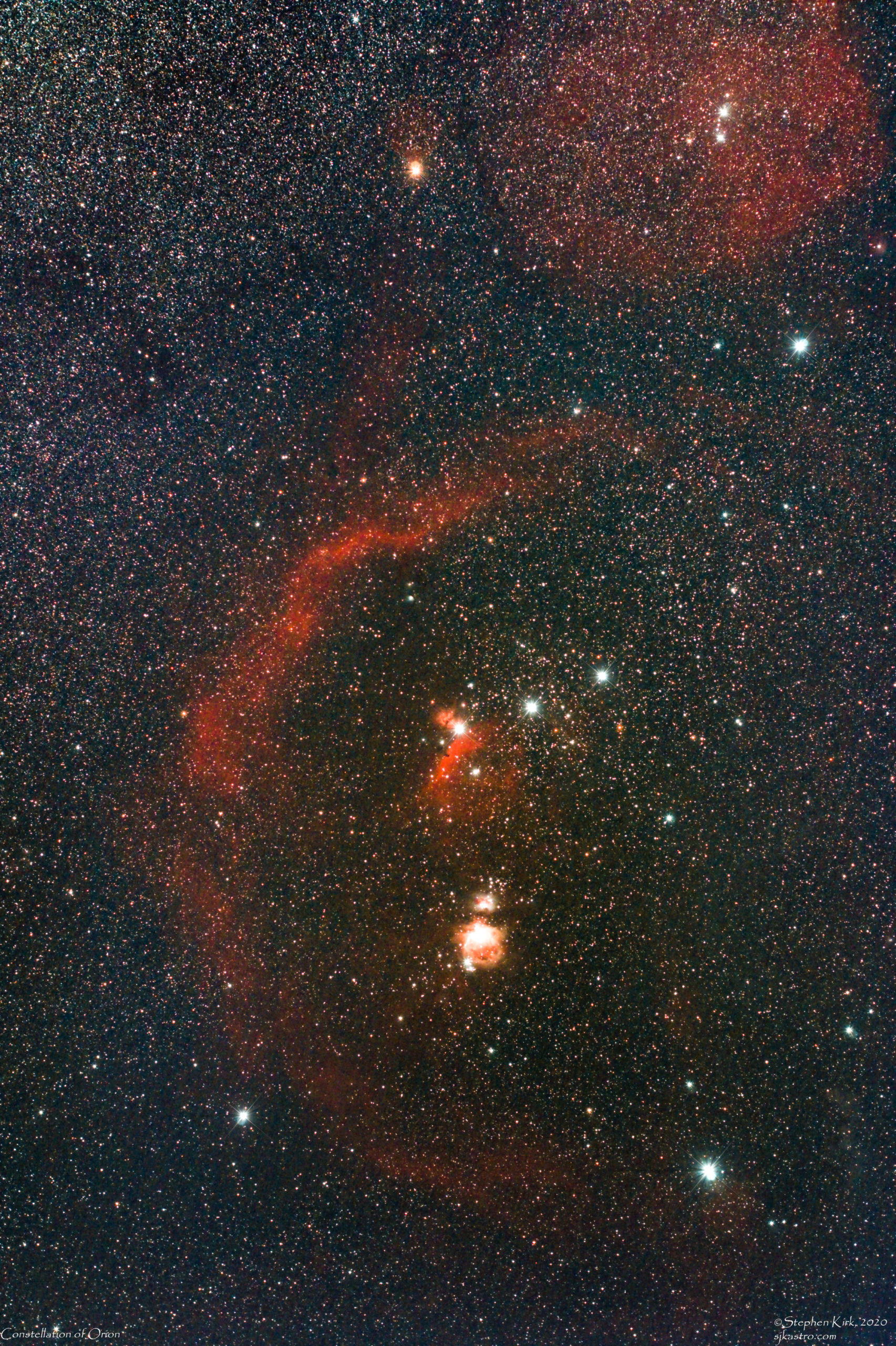
Dominating the Winter sky in the Northern Hemisphere, Orion is probably the most recognisable of constellations. It is full of very important and popular astronomy objects and stars.
The image here is a stack of 80 x 80 second exposures at F4 and ISO 800 taken in January 2020 from my backyard in Nottingham with a modified Canon 1100D and a 50mm lens. The camera followed the sky with a Star Adventurer tracker. It was cold and windy at the time I took the exposures. I stacked them with Deep Sky Stacker and processed with PixInsight and Photoshop.
You can see the arc of Barnard's Loop and The Orion Nebula and Horsehead Nebula. Also visible glowing faintly to the bottom right is the ghostly outline of the Witch Head Nebula.

Below is the annotated version showing many of the interesting stars and objects within Orion. Very obvious is the Great Orion Nebula and Barnard's loop.


