
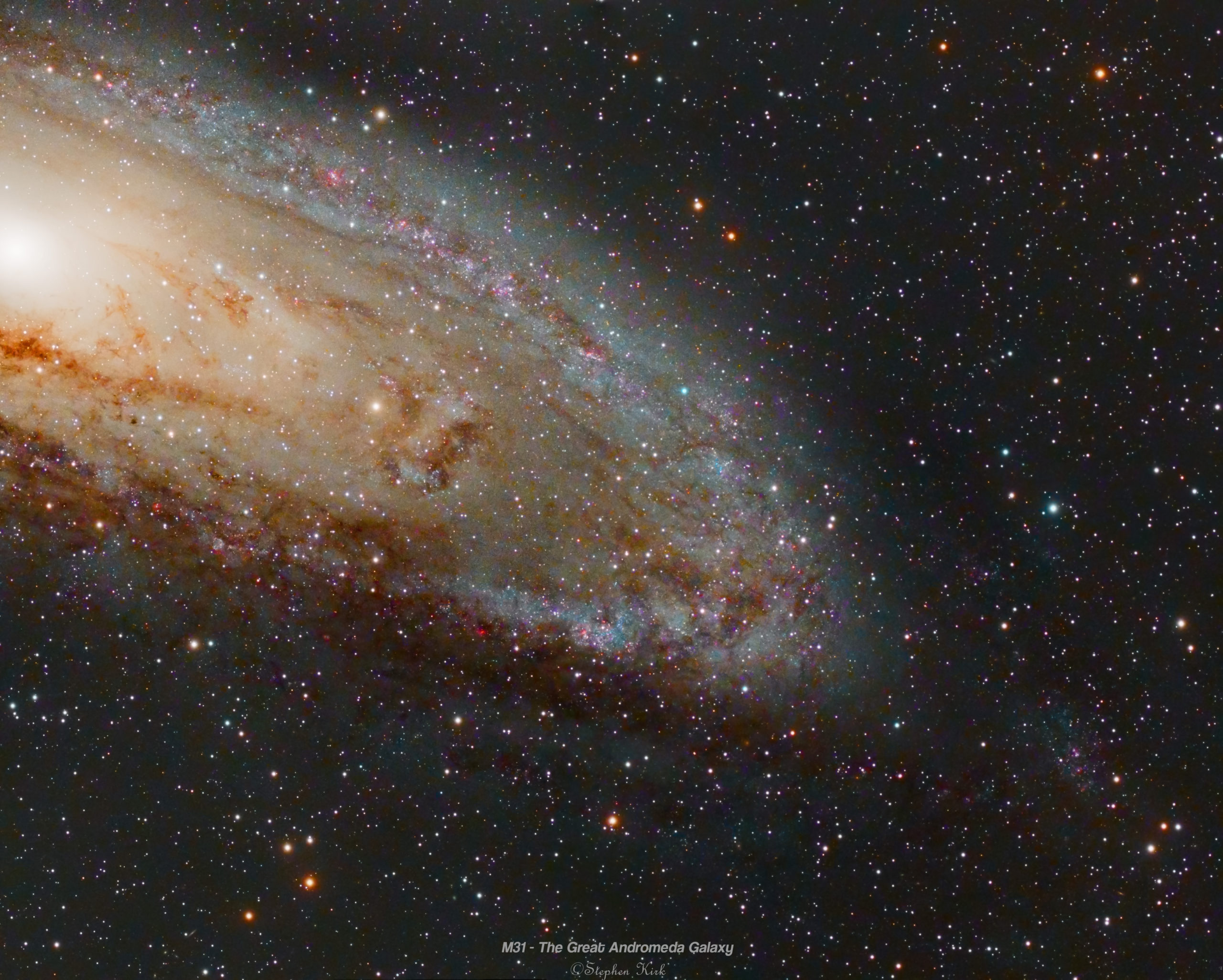
Close Up Study of The Great Andromeda Galaxy M31 with TEC140 and FSQ85
M31 is one of the most favoured and popular imaging targets in the night sky; it is bright, large and very photogenic. I have imaged this galaxy numerous times, for example, in this LRGB version and in this OSC version. Since the galaxy is so large, each of these images is set in a wide field, one of 3 degrees horizontally and 2 degrees vertically across the field of view which equates to six times the diameter of the full moon. Many newcomers do not appreciate how large these objects are in the sky. Large but VERY dim!

The above image is at a resolution of 4.16arcsec/pixel. On such a large object as M31 this allows the entire galaxy to be imaged in one field of view on a wide field refractor such as the FSQ85 but does not allow for a "closer in" and more detailed image.
In order to do the latter, I created a mosaic of four panels to image the right hand side "west" of the galaxy at the greater resolution with my TEC140 and Atik 460. All I needed is the luminance data and then I could use this to blend with the lower resolution OSC data at the top of this post in Photoshop.
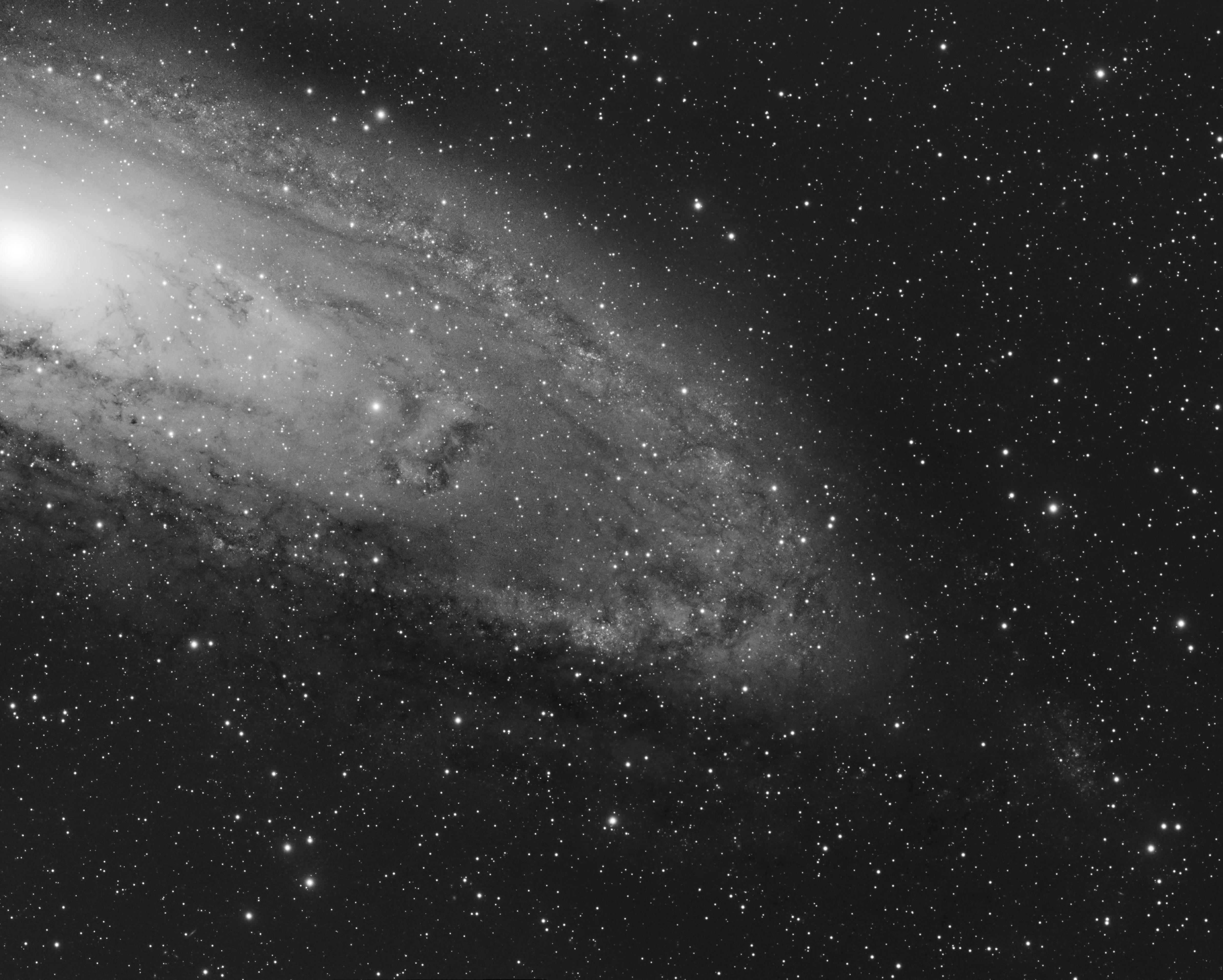
Each of the four luminance panels is a total of 90 minutes of 300 sec exposures captured with the TEC140 and Atik460 CCD camera with a Astrodon luminance filter. The luminance image above is a total of six hours of imaging time. I then processed these four images and knitted them together in PixInsight. I then registered this four-panel luminance with the OSC data at the top of the post and then used it as a luminance layer to give the best of both worlds; the colour of the OSC/FSQ85 wide field image with the detail of the TEC140/Atik460 image!

I hope you like it! :)

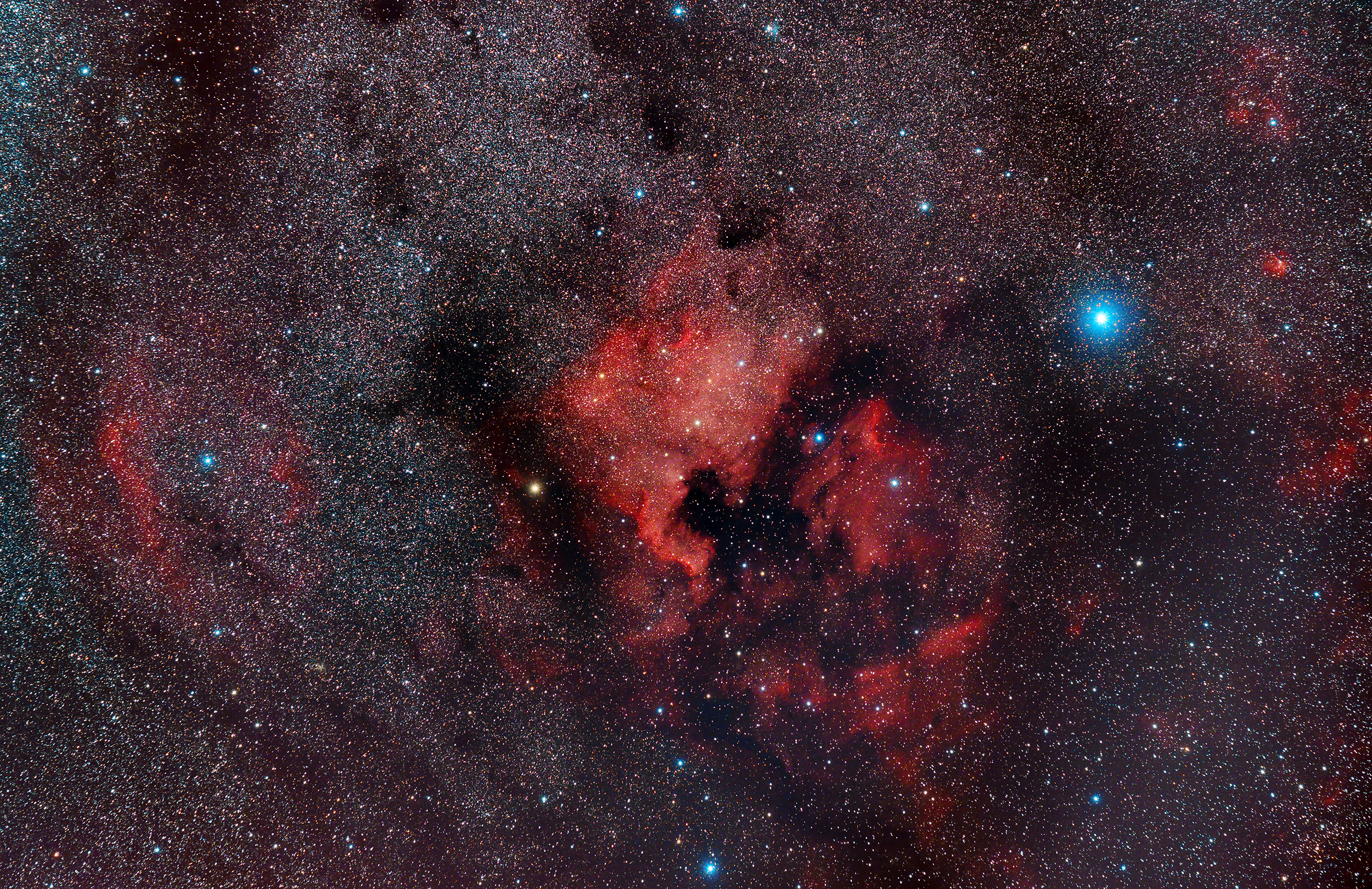
North American Nebula in a wide field with Samyang 135mm and QHY268C camera
This is my first ever image capture with the excellent NINA software. I used my wide-field rig which consists of the Samyang 135mm lens and QHY268C OSC camera using an IDAS 2" LP filter. The wide angle view brings out the North American nebula (NGC 7000) and The Pelican nebula to its right very nicely. There is also a lot of other background luminosity in the image.
The image set is a modest 18 x 180s exposures captured in August 2021, all the data being binned 1x1. Pre-processed and processed in PixInsight with a few tweaks in Photoshop.
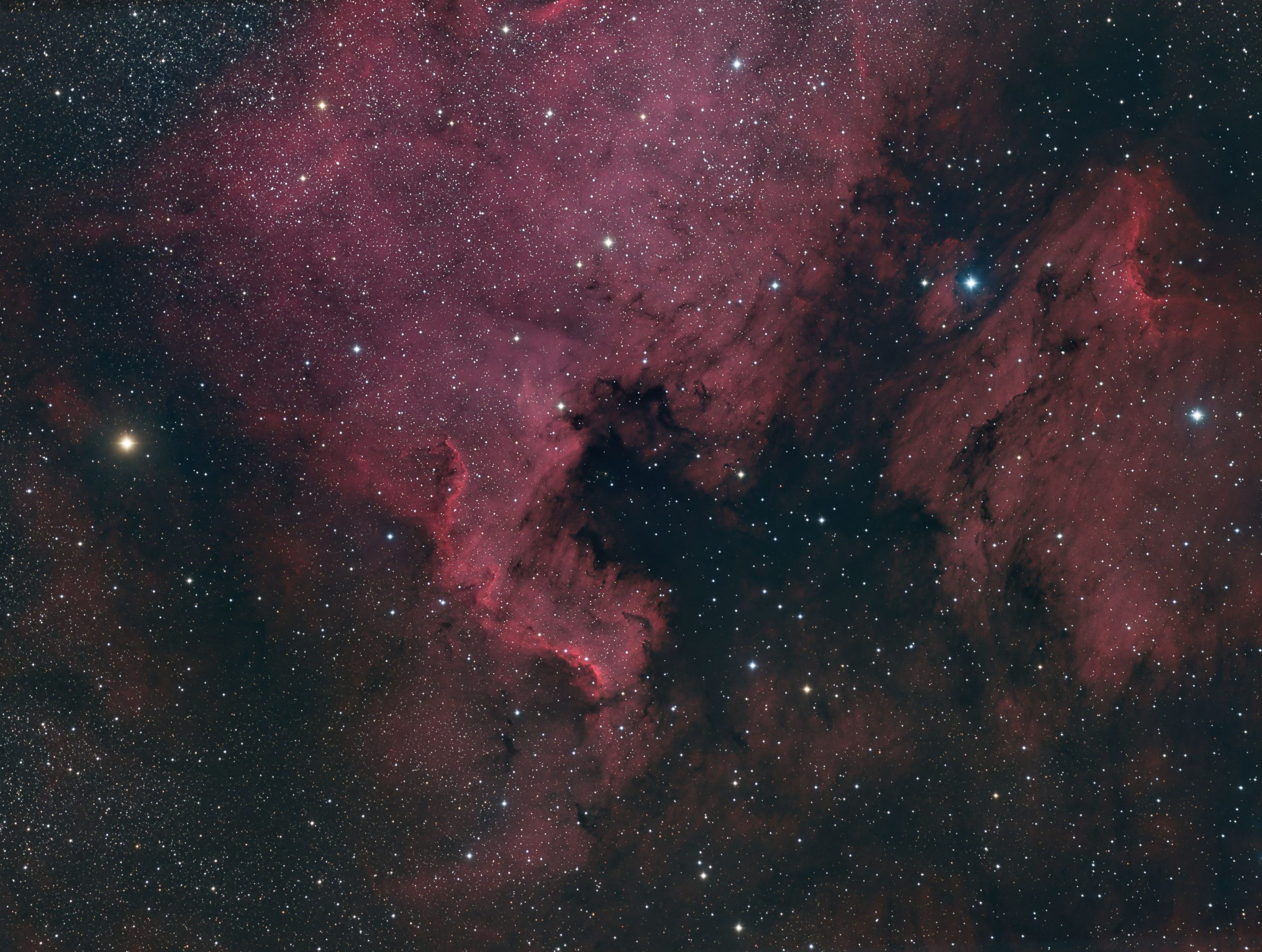
A Set of Images of NGC7000, The North American Nebula. Is Ha data worth it?
A perennial favourite object to image in the summer and autumn months in the Northern Hemisphere. I've imaged this target with multiple equipment combinations over the years. For example, in One Shot Colour (OSC), in widefield and in a very wide field.
As part of the image I used my existing Ha dataset from 2018/2019 which consists of 48 x 600 second exposures. I discuss capture of this image here.
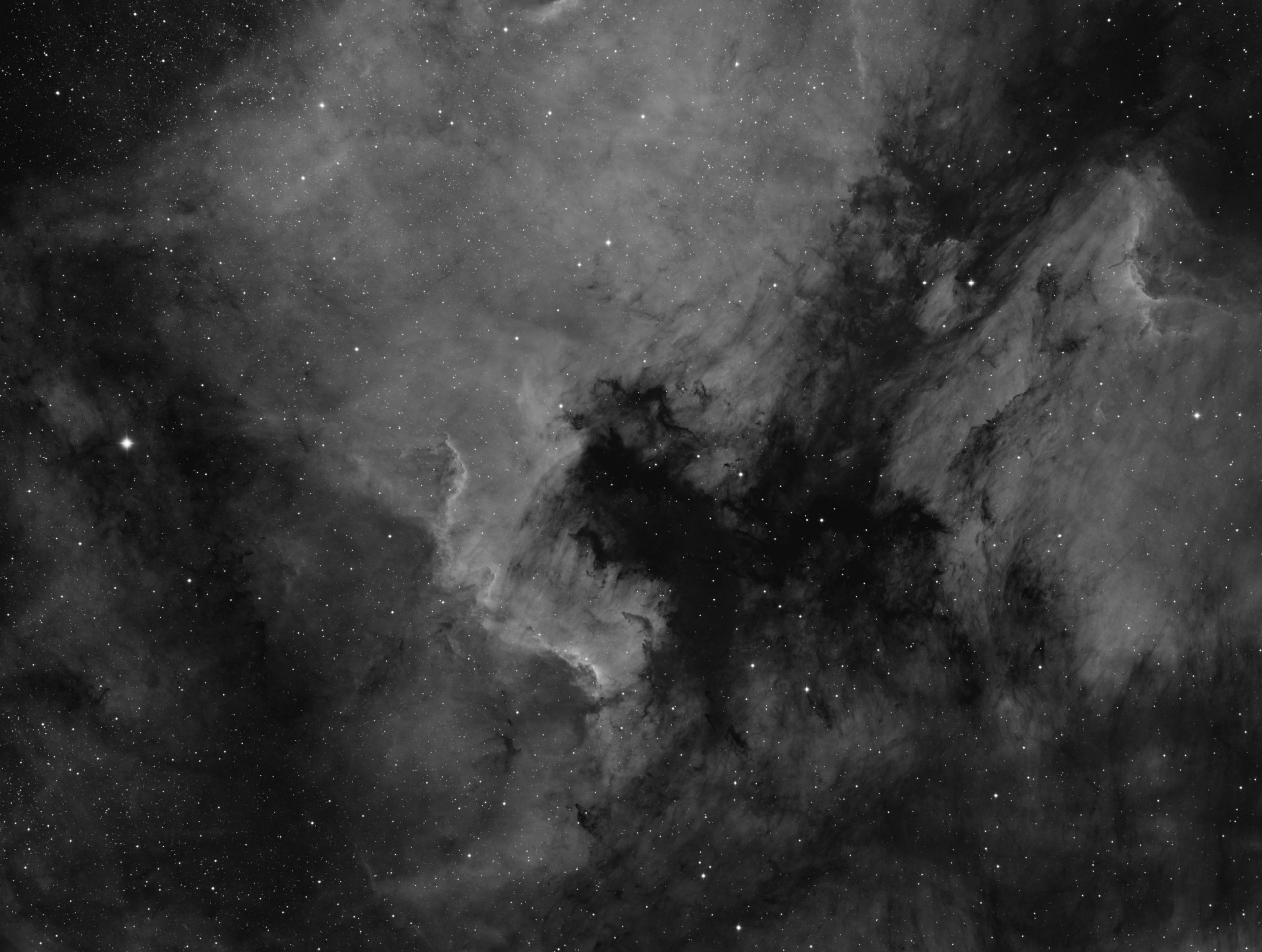
I then captured the RGB dataset in October 2021. This image is my first image set that I captured using the excellent NINA (Nighttime Imaging "N" Astronomy) imaging software. I captured four hours of RGB data through Astrodon 31mm E series Gen 2 filters binned at 1x1. This consisted of 300 second exposures. Seeing and transparency were not good but clear nights have been very infrequent in the UK in the past six months so I went for it regardless.
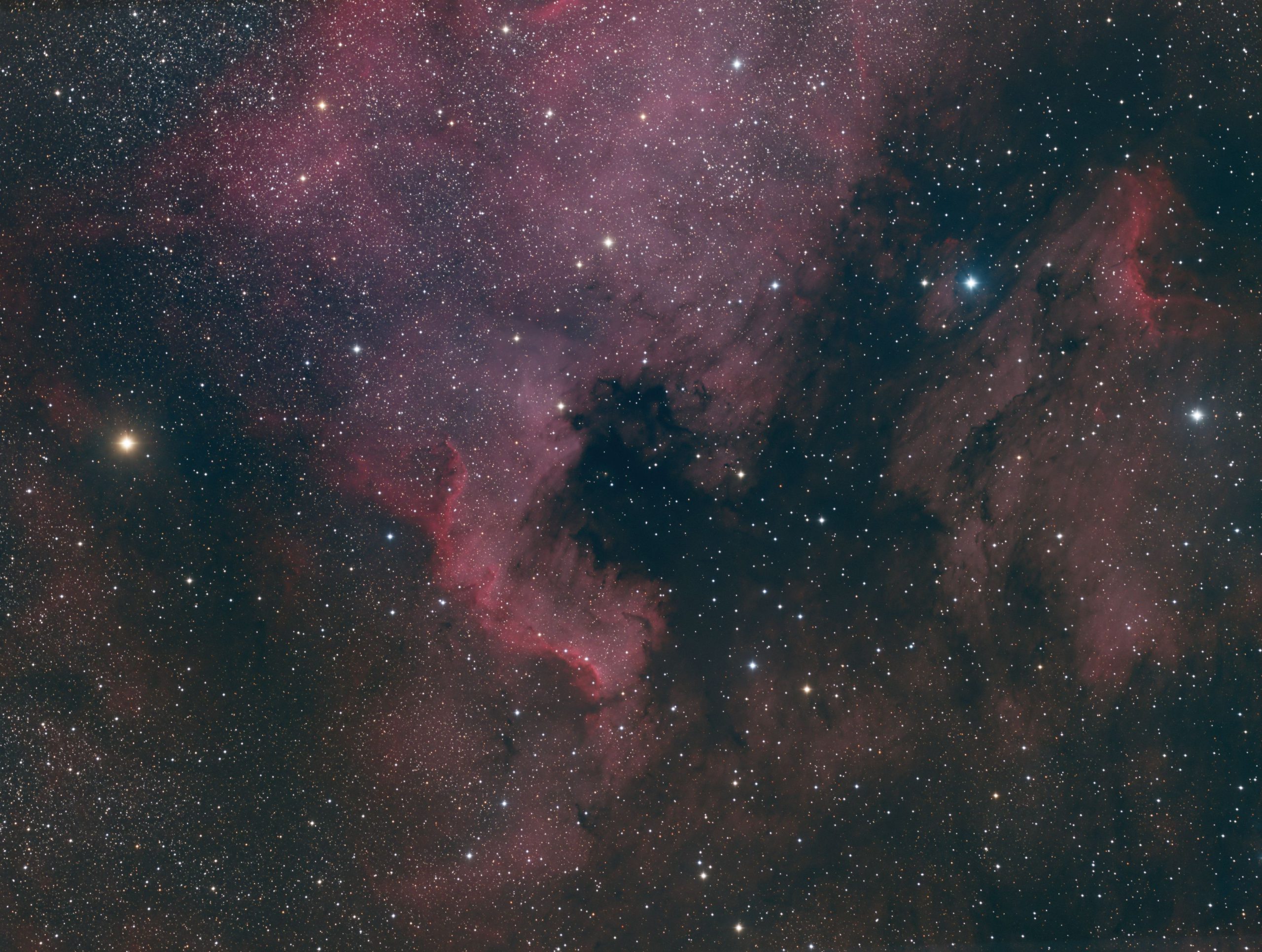
I am very impressed with the quality of the standard RGB image above. Since the data is binned 1x1, I did not feel the need to capture any luminance channel at all. Indeed the RGB alone is so good that the Ha data addition, whilst it does add some signal, adds so little to the final result that I question the time I spent capturing the Ha data. For sure, the Ha image is a pretty picture all on its own. However, it does add something to the picture as detailed below.
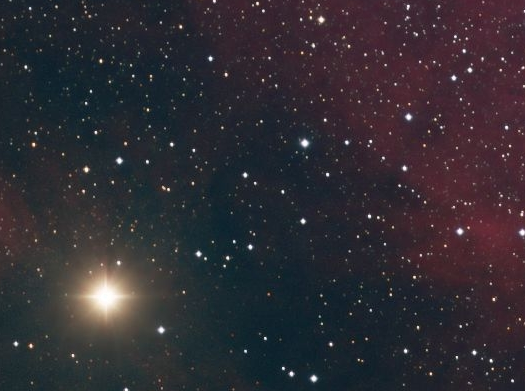
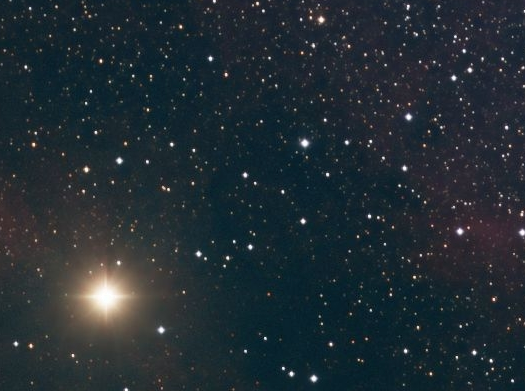
Despite the expense in time of gathering the Ha data, you can see that when it is blended with the RGB it brings out some fainter structures in the nebula. Whether or not a full eight hours is needed though, I doubt.